Blog / Chevrolet tire replacement

Blog

All Chevrolet tire replacement Fairway Chevrolet in Hazleton, PA Hazle Township Chevrolet Dealer Chevrolet Trucks 2026 Chevrolet Tahoe 2026 Chevrolet Traverse Chevrolet Certified Service Appointment Chevrolet SUVs near Hazleton 2026 Chevrolet Silverado 1500 2026 Chevrolet Tahoe line-up 2026 Chevrolet Trax Battery Replacement Chevrolet Oil Change Near Hazle Township, PA Chevrolet Silverado 2500 Chevrolet tire center hazle township PA Chevy Silverado 2026 Chevrolet Equinox at Fairway Chevrolet 2026 Chevrolet Equinox near Hazleton 2026 Chevrolet Silverado 2500 2026 Chevrolet Suburban 2027 Chevrolet Corvette 2027 Corvette for sale in Hazle Township, PA Chevrolet Tahoe for sale near Hazleton, PA Chevy Colorado Chevy EV Express Cargo Van Express Cutaway 3500 Midsized SUV Used Chevy Silverado 2500
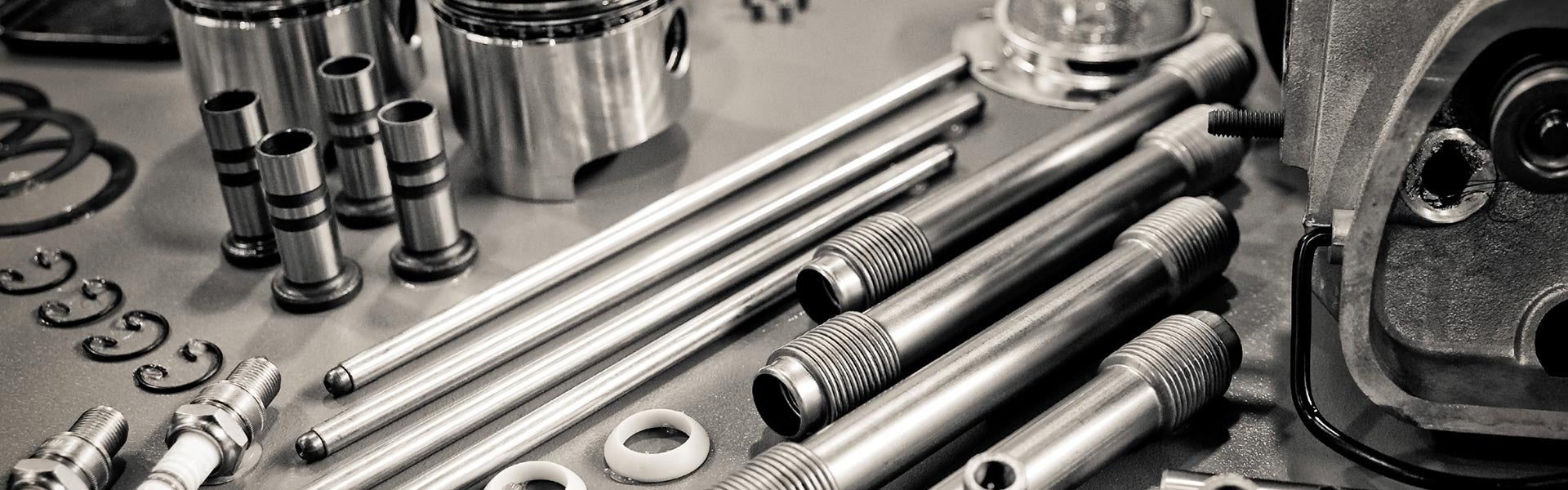
Automotive engine parts and components.

OEM vs. Aftermarket: Chevrolet Parts for Sale Near Hazle Township, PA

If you've ever needed to replace a part on your Chevy, you've probably asked yourself what is the difference between OEM and aftermarket parts. It's a common questions drivers have, and the answer can affect your vehicle's performance, safety, and long-term value. Understanding that difference before you buy is one of the smartest things you can do as a vehicle owner in Hazle Township, PA. What Are OEM Chevrolet Parts? OEM stands for Original Equipment Manufacturer. When it comes to Chevrolet parts for sale, OEM means the part was made by or for General Motors to the exact specifications of your vehicle. These are the same components that were installed on your Chevy when it rolled off the assembly line. OEM parts are designed to fit and function exactly as intended. There's no guesswork involved with compatibility, and they typically come backed by a manufacturer warranty. If you drive a Silverado, Equinox, Traverse, or any other Chevy model, OEM parts are built specifically for that vehicle. What Are Aftermarket Parts? Aftermarket parts are made by third-party manufacturers, not General Motors. They're often designed to fit a wide range of vehicles and can vary significantly in quality depending on the brand and the specific component. Some aftermarket parts are a reasonable option for certain non-critical repairs. However, quality, fit, and durability can differ from one manufacturer to the next. When you're asking what the difference between OEM and aftermarket parts is, fit and reliability are two of the biggest factors to consider. Why OEM Parts are Important for Your Chevy Choosing Chevrolet parts that are OEM-certified means you're getting a component that was engineered with your specific vehicle in mind. That's important for everything from air bag systems and brake components to engine parts and electrical modules. OEM parts also help protect your vehicle's warranty. Installing non-approved components can sometimes void coverage, which creates more problems down the road. Using genuine OEM parts helps maintain the performance and safety standards your vehicle was built to meet. Which Option Is Right for You? The right choice depends on the repair, your budget, and how long you plan to keep your vehicle. For major mechanical systems, safety components, and anything affecting how your Chevy drives, OEM parts are generally the better investment. The peace of mind that comes with a guaranteed fit and manufacturer backing is hard to put a price on. For minor cosmetic repairs or non-critical components, some drivers choose aftermarket options. Just be sure to research the brand and understand what you're getting before making that decision. Visit Fairway Chevrolet for Genuine Chevrolet Parts If you're looking for Chevrolet parts for sale near Hazle Township, PA, Fairway Chevrolet has got you covered. Our parts team can help you find the right OEM component for your specific make, model, and trim. Whether you're doing your own repairs or just want to make sure the shop is using genuine parts, we make it easy to get what you need. Visit us online to browse available parts or connect with our team directly.
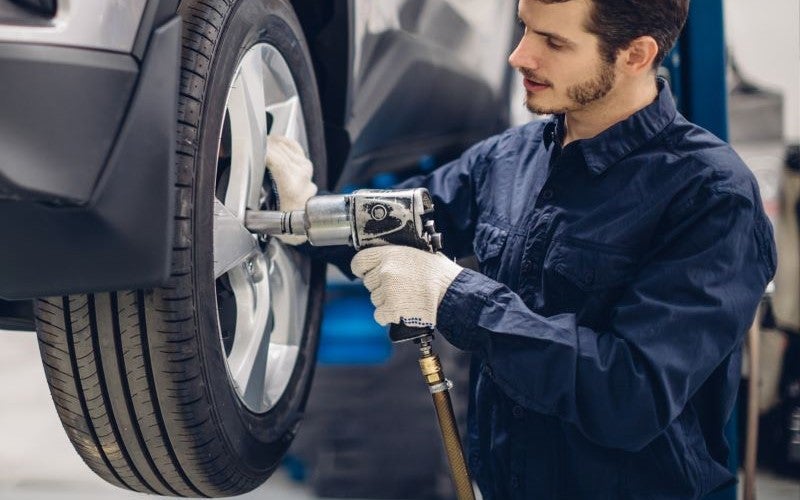
Mechanic performing a tire rotation on a vehicle.

When to Replace Tires on Your Chevrolet 

Knowing when to replace tires is one of the most important things you can do to keep yourself and your passengers safe on the road. Tires are the only part of your vehicle that touches the pavement, so their condition directly affects how well your Chevy handles, stops, and grips in wet or slippery conditions. Whether you drive a Silverado, Equinox, or Trax in Hazle Township, PA, staying on top of tire health is essential. How Tread Depth Tells You When to Replace Tires The most reliable indicator of when to replace tires is tread depth. New tires typically come with around 10/32 of an inch of tread. Once that depth wears down to 2/32 of an inch, it is time for a replacement. Most tires come with built-in tread wear indicators, which are small, raised bars running across the grooves. When those bars become flush with the surrounding tread, your tires have reached the end of their safe life. A simple way to check tread depth at home is the penny test. Insert a penny into the tread groove with Lincoln's head facing down. If you can see the top of Lincoln's head, your tread is too low, and you need to replace your tires. Age is Important, Even If Tires Look Fine Many drivers assume that as long as a tire looks okay, it is safe to drive on. However, rubber degrades over time regardless of how much the tire has been used. Most manufacturers recommend replacing tires that are six years old, even if the tread still looks acceptable. After 10 years, replacement is necessary. Heat, sunlight, and fluctuating temperatures - common challenges for drivers throughout Hazle Township, PA - can accelerate this breakdown. Inspect your tires regularly for cracking, bulging, or sidewall damage. Those signs indicate structural weakness that tread depth alone cannot reveal. Other Signs You Need New Tires Beyond tread wear and age, there are several other warning signs to watch for when assessing your Chevy’s tire condition. If you notice unusual vibration while driving, it could point to an internal tire issue or uneven wear. A persistent pull to one side may also suggest a tire problem, though alignment and suspension can play a role as well. Visible bubbles or bulges on the sidewall are serious red flags. These typically mean the inner structure of the tire has been compromised, and continuing to drive on a damaged tire puts you at risk for a blowout. Any tire with a sidewall bulge should be replaced immediately. How Driving Habits Affect Tire Life Your driving habits have a significant impact on how quickly your tires wear. Hard braking, fast cornering, and frequent highway driving can all reduce the lifespan of your Chevy tire. Keeping your tires properly inflated and rotating them every 5,000 to 7,500 miles can help extend tread life and promote even wear across all four tires. If you frequently haul heavy loads in a Silverado HD or tow with your Traverse, tire wear may accelerate faster than expected. Checking tire pressure monthly - including the spare - is a straightforward habit that pays off over time and is a key part of knowing when to replace tires before a problem develops. Visit Fairway Chevrolet for Tire Service When the time comes for tire replacement PA drivers can trust, the team at Fairway Chevrolet is ready to help. Serving customers throughout Hazle Township, PA, Fairway Chevrolet offers certified service to keep your vehicle performing at its best. Whether you need a quick inspection or a full set of new tires, stop in or visit us online to schedule your appointment today.

Contact Us

Fill out this form below and we'll contact you shortly
*Required Fields