


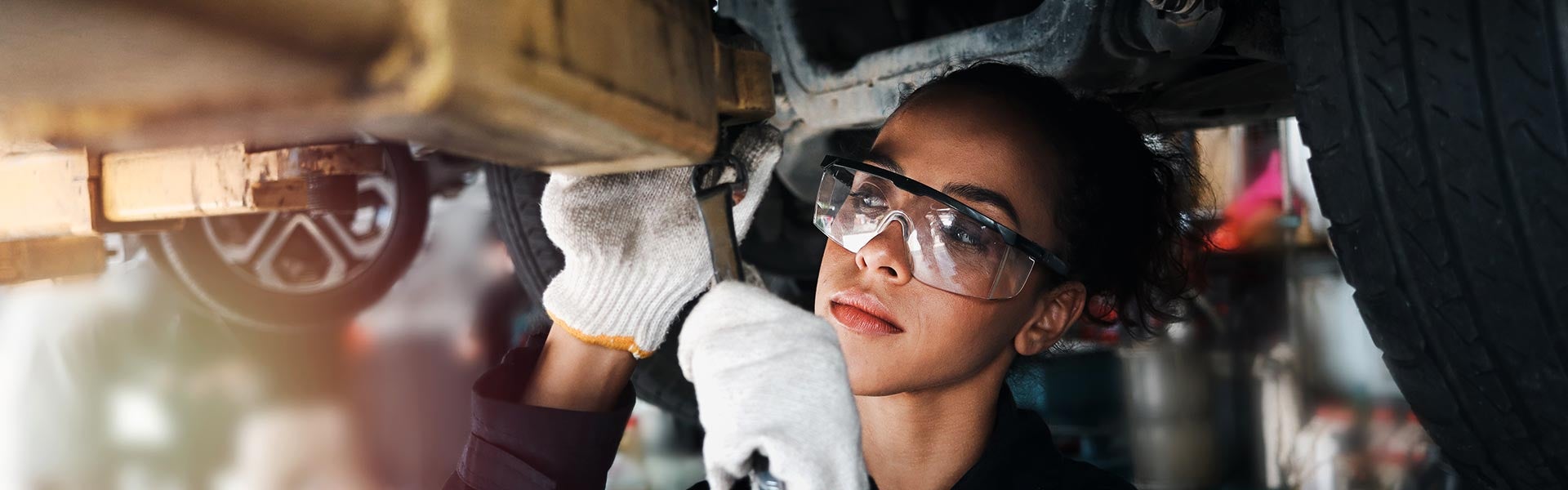
How Road Salt Gets Into Your Vehicle's Vulnerable Areas
Road salt doesn't just sit on the surface of your car - it gets sprayed into every crevice by passing traffic and your own tires. The undercarriage takes the worst of it. Salt accelerates the oxidation process, meaning bare metal rusts far faster than it would from moisture alone. Brake lines, fuel lines, suspension components, and the frame itself are all exposed to this corrosive mix every time you drive on treated roads.
Salt also creeps into wheel wells, along rocker panels, and around door seams where paint chips or factory coating has worn away. Once rust takes hold in those hidden spots, it spreads quickly and can become structurally significant if left unchecked.
The Parts of Your Chevrolet Most at Risk
Your Chevrolet's exhaust system runs the full length of the vehicle, putting it directly in the spray zone all winter long. Mufflers, catalytic converters, and exhaust pipes are all susceptible to accelerated corrosion from salt exposure. Brake rotors and calipers are another high-risk area - surface rust on rotors is normal after a single wet night, but repeated salt exposure can pit and weaken these components over time.
Electrical connectors and sensors mounted low on the vehicle are also vulnerable. Salt can degrade connector housings and cause corrosion at terminal points, leading to sensor faults or intermittent electrical issues that are frustrating and sometimes expensive to trace.
Winter Car Maintenance Steps That Make a Real Difference
Staying ahead of salt damage comes down to consistent winter car maintenance. Start with regular undercarriage washes - most car washes offer an undercarriage rinse, and using it every 2 to 3 weeks during heavy salt season removes buildup before it can do lasting damage.
Applying a quality rust inhibitor or undercoating before winter arrives adds a protective barrier between bare metal and road brine. Check your paint for chips and touch them up promptly, since exposed metal rusts much faster than coated surfaces. Keeping your tires properly inflated also matters - correctly inflated tires throw less spray into the wheel wells, reducing the amount of salt that accumulates there.
What to Watch For After a Hard Winter
Once the roads dry out in spring, take time to inspect your Chevrolet carefully - or have a technician do it. Look along the lower edges of doors, along the frame rails, and inside the wheel wells for bubbling paint or surface rust. Bubbling paint almost always means rust is forming underneath and should be addressed before it spreads.
Have your brake lines inspected for corrosion, especially if your vehicle has seen several winters in Pennsylvania. A visual check of the exhaust system for pitting or holes is also worthwhile. Catching these issues early keeps repair costs manageable and helps your Chevrolet stay reliable for years to come.
Visit Fairway Chevrolet for Winter-Ready Service
Road salt damage to cars in PA is an ongoing challenge, but it's one you can stay ahead of with the right habits and timely service. Drivers throughout Hazle Township, PA, can count on Fairway Chevrolet for expert maintenance, undercarriage inspections, and seasonal service that keeps your Chevrolet protected no matter how harsh the winter gets. Stop in before the salt season is in full swing - your vehicle will thank you come spring.